What Is Technology-Driven Dental Care?
Technology-driven dental care refers to the use of advanced tools, software, and digital systems to improve accuracy, efficiency, and patient experience in dental treatments. Instead of relying purely on manual methods, dentists now use a combination of digital imaging, AI-assisted diagnostics, laser treatments, 3D scanning and printing, and computer-guided procedures.
The goal is simple: deliver better outcomes with less pain and more precision. For patients, this means fewer appointments, less discomfort, and results that last significantly longer than traditional approaches could achieve.
💡 Key insight: Technology doesn't replace the dentist's skill and judgment — it amplifies it. The best outcomes come from combining advanced tools with years of clinical expertise and genuine patient care.
Why Traditional Dentistry Had Limitations
Before exploring the benefits, it's important to understand the gaps that older methods left behind. For decades, diagnosis depended heavily on visual inspection with limited X-ray clarity. Treatments were more invasive, often requiring multiple visits, and the higher likelihood of human error meant results were less predictable.
Patients frequently delayed dental treatment because of fear, uncertainty, or sheer inconvenience — a cycle that often turned manageable issues into costly, painful problems.
How Technology Is Changing the Game
Modern dental clinics are designed around efficiency, precision, and patient comfort. Here's how the most impactful technologies are reshaping what it means to visit the dentist:
Digital Diagnostics
Digital X-rays, intraoral cameras, and 3D scans detect problems earlier, with far greater clarity and up to 70% less radiation.
Laser Dentistry
Laser treatments replace the drill for many procedures — minimal bleeding, reduced anesthesia need, and faster healing.
3D Scanning & Printing
No more uncomfortable molds. Crowns, aligners, and implant guides are designed digitally and manufactured with millimetre precision.
AI-Assisted Diagnosis
AI helps identify cavities in scans, predict gum disease progression, and support treatment planning — enhancing every clinical decision.
1. Digital Diagnostics: Early Detection Saves Teeth
Traditional diagnosis often missed early-stage issues that were too small to see with the naked eye. Digital tools change this completely. Digital RVG X-rays offer dramatically clearer images at a fraction of the radiation dose. Intraoral cameras let patients see exactly what their dentist sees — which builds trust and makes treatment decisions easier to understand. 3D scans, used for implants and complex cases, give clinicians a precise three-dimensional view of the jaw structure before any procedure begins.
Earlier Detection = Less Invasive Treatment
A cavity caught early requires a small, inexpensive filling. Left undetected, it becomes a root canal — or worse, an extraction. Digital diagnostics close that gap every single day.
2. Laser Dentistry: The End of Dental Fear
One of the biggest fears in dentistry is pain. Laser technology has significantly reduced that fear and the reality behind it. Laser dentistry is now used across gum treatments, cavity removal, and professional teeth whitening. Patients prefer it because procedures involve minimal bleeding, often require no anesthesia, and result in much faster healing times than conventional methods.
3. 3D Scanning & Printing: No More Uncomfortable Impressions
Remember those uncomfortable molds that felt like they'd never end? They're rapidly being replaced by digital impressions that take seconds. The data is used immediately to design dental crowns, clear aligners, and implant surgical guides with extraordinary accuracy. The advantages are clear: a more accurate fit, faster turnaround, and a far more comfortable experience for the patient.
4. Computer-Guided Implant Surgery
Dental implants used to involve considerable guesswork about placement angles, bone density, and proximity to nerves. Now, implant placement is planned entirely in software before the first incision is made. The surgery becomes minimally invasive, follows a precise digital blueprint, and — as a result — success rates have improved significantly. Healing is faster, and the risk of complications is dramatically reduced.
5. AI in Dentistry: Smarter Decisions
Artificial intelligence is steadily entering dental care. AI assists by identifying cavities in scans that the human eye might miss, predicting gum disease risk based on patient data patterns, and supporting comprehensive treatment planning. It's important to note that AI doesn't replace dentists — it enhances their decision-making with data-driven precision, making every consultation more thorough.
Traditional vs Technology-Driven Dentistry
Here's a clear side-by-side comparison to understand the real difference technology makes:
| Factor | Traditional Dentistry | Technology-Driven |
|---|---|---|
| Diagnosis | Visual + basic X-rays | Digital imaging + AI support |
| Accuracy | Moderate | High precision |
| Pain Level | Higher | Minimal |
| Treatment Time | Multiple visits | Faster procedures |
| Patient Experience | Often uncomfortable | Comfortable & transparent |
| Outcomes | Good | More predictable & lasting |
Real Impact on Common Dental Treatments
Technology isn't just theoretical — it's improving the exact procedures you might need right now:
- Root Canal Treatment: Earlier it was time-consuming and painful. Now it's faster, more precise, and for most patients — almost entirely painless in a single visit.
- Dental Implants: Previously involved lengthy healing with uncertain outcomes. Today, digitally planned implants are highly accurate with a predictable 98% long-term success rate.
- Braces & Aligners: Metal braces are no longer the only option. Invisible aligners with full digital planning allow for comfortable, discreet teeth straightening.
- Teeth Whitening: Uneven results are a thing of the past. Controlled professional whitening now delivers consistent, safe results up to several shades brighter.
Is Technology-Driven Dentistry Expensive?
This is a common concern — but the reality is more balanced than most people expect. While some advanced treatments may seem costly upfront, they consistently reduce the need for repeat visits, prevent complications, and deliver longer-lasting results. In the long run, technology-driven dentistry is often more cost-effective than traditional approaches that require multiple sessions and corrections.
💰 At Dental Studio 32, we offer 0% EMI on most advanced treatments — including implants, braces, Invisalign, and smile makeovers — because we believe outstanding dental care should be within reach of every family in Mumbai.
The Human Touch Still Matters
Even with all this technology, one thing hasn't changed — the irreplaceable importance of a skilled, caring dentist. Technology is a tool. The real difference comes from how it's used, and by whom.
A truly great dental practice combines advanced tools, clinical expertise, and a patient-first approach. That combination is what defines modern dental care at its best. Empathy, honest communication, and patient education are just as critical as any scanner or laser system.
Choosing the Right Technology-Driven Dental Clinic
If you're considering upgrading your dental care experience, here's what to look for in a clinic that genuinely integrates technology with quality care:
- Use of digital diagnostics including RVG X-rays and intraoral cameras
- Transparent communication about your diagnosis — ideally with visuals
- Clean, modern, well-maintained clinical environment
- Personalised treatment plans written down before you commit
- Strong, verified patient reviews from real local patients
Experience Advanced Dental Care in Goregaon West
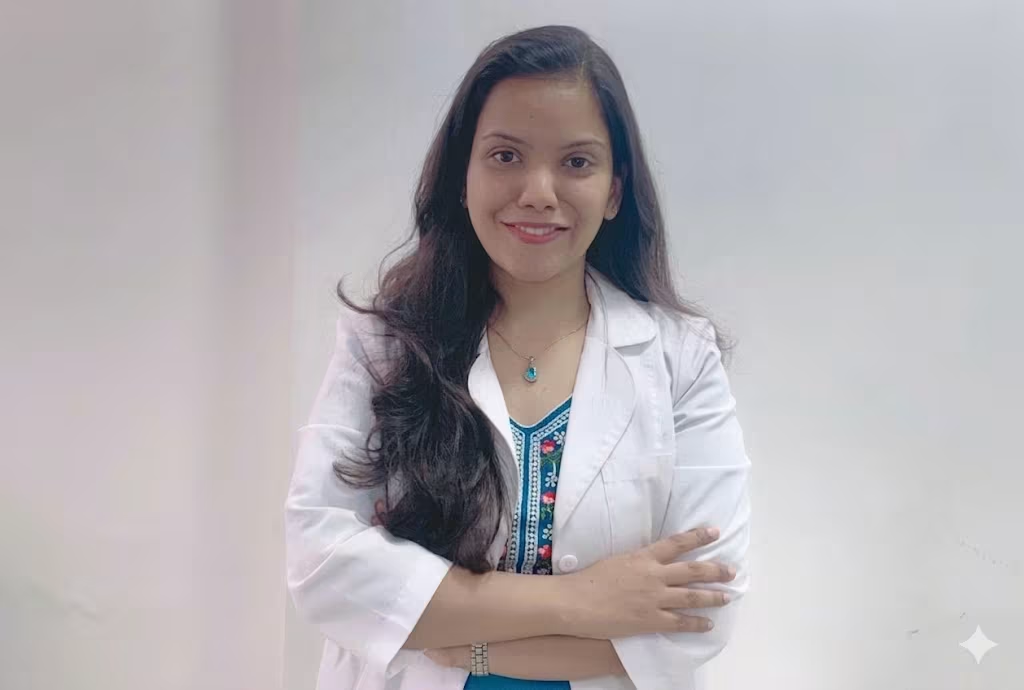
If you're looking for a clinic that blends modern technology with genuinely patient-focused care, Dental Studio 32 is designed exactly for that. From routine check-ups to complex procedures, every treatment is backed by precision tools and a comfort-first approach under the expert guidance of Dr. Stutee Nikhil Shukla.
Final Thoughts
Technology-driven dental care is not about replacing dentists — it's about empowering them to deliver results that simply weren't possible before. For patients, the benefits are tangible: less fear before treatments, shorter appointment times, more clarity about your own oral health, and outcomes that last.
Most importantly, it changes the way we think about dental visits — from something to avoid and postpone, to something we genuinely trust. And that shift in trust is what leads people to seek earlier, more preventive care — which is ultimately the greatest health benefit of all.